Wait, what is the CAFC exactly?
I just found out that the Canadian Anti-Fraud Centre isn't actually a police force, but they work with the RCMP. Think of them as the giant brain that tracks all the bad guys! Research shows that in 2023 alone, Canadians lost over $567 million to fraud, and most of it wasn't even reported! Can you believe that? That's why your report is so important for the Halifax Scam Tracker project.
"If you don't report it, the statistics stay low, and the government doesn't know how big the problem really is!"
- ✔ Online Portal: Available 24/7 for non-emergency reports.
- ✔ Toll-Free: 1-888-495-8501 (Monday to Friday).
Step 1: Freeze Everything!
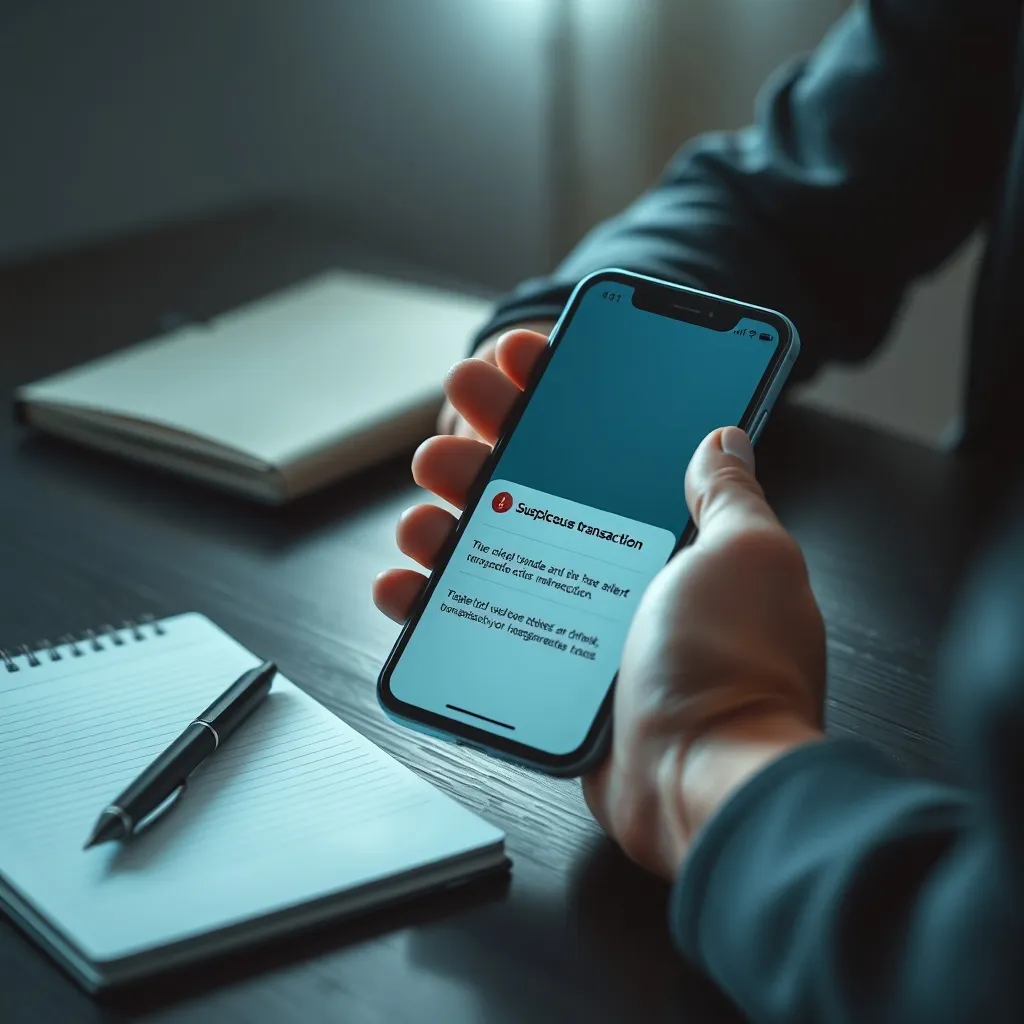
Okay, this is the part where you have to act fast. I mean, super fast! The very second you see a weird transaction on your digital account, call your bank. Don't wait for the morning. Don't wait to see if it was a mistake. Just call!
| INSTITUTION | HOTLINE (24/7) |
|---|---|
| TD Canada Trust | 1-866-222-3456 |
| RBC Royal Bank | 1-800-769-2511 |
| Scotiabank | 1-800-472-6842 |
| BMO | 1-877-225-5266 |
| CIBC | 1-800-465-2422 |
Note: Always check the back of your debit/credit card for the most direct local number!
Should I call 911?
Wait! I learned this the hard way—do not call 911 unless you are in immediate physical danger or the crime is happening right now! For financial fraud, you need to call the non-emergency line of your local police department. In Halifax, that's a different number than the emergency one!
Get your file number
When you call the police, they will give you a case number. Write it down! You will need this for your insurance and for the bank to take your claim seriously.
Bring the evidence
Did you get a weird text? A fake email? A suspicious SMS alert? Don't delete them! Take screenshots of everything before the scammers try to wipe the chat.
Contact Credit Bureaus
This was a huge surprise to me, but you have to call Equifax and TransUnion individually to put a "Fraud Alert" on your file. This stops the thief from opening new credit cards in your name!
My "Oh No" Reporting List
I created this little list so I wouldn't forget anything when I was talking to the officer. It really helps when your hands are shaking and you're upset!
- Date and time you first noticed the unauthorized activity.
- The exact amount of money that's missing (check your statements!).
- Any names or "employee IDs" the scammer gave you on the phone.
- The website URL if it was a phishing site.
- A list of which accounts (checking, savings, credit) were affected.