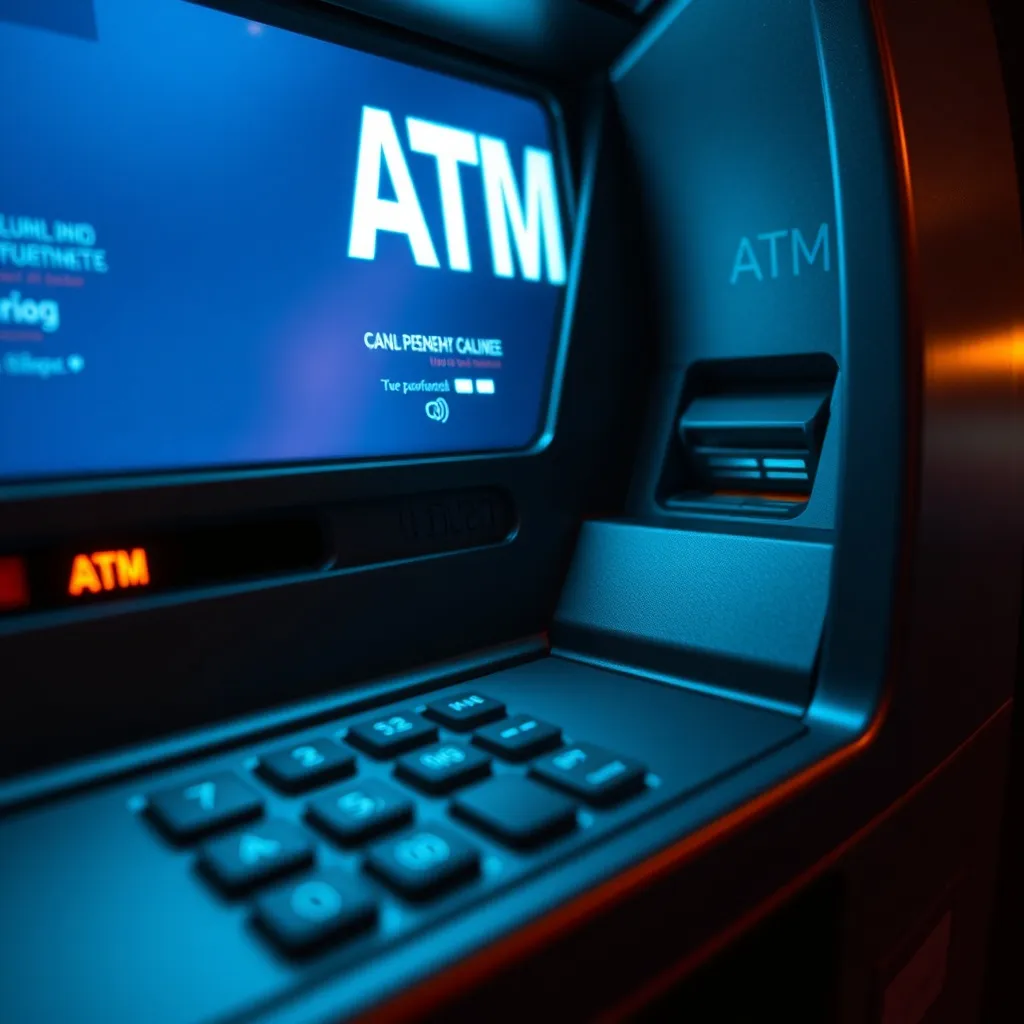
A close up shot of a modern ATM machine keypad and card slot
Physical Security Guide

Protecting Your Plastic in Canada

Oh man, I never realized how vulnerable my actual physical wallet was until I started digging into this! I used to just tap my card everywhere without a second thought, but did you know how easy it is for someone to mess with an ATM? It’s scary stuff!

Start Learning Now

The Reality of Physical Fraud

Wow, so I’ve been reading up on how card fraud actually happens at the machine, and it’s way more high-tech than I thought! I always assumed you’d see some big, clunky device stuck onto the ATM, but modern skimmers are practically invisible. It makes me want to double-check every single machine I use from now on. Have you ever felt like the card slot was just a little bit too loose? That’s apparently a huge red flag!

I found out that most of these issues happen at non-bank ATMs, like the ones you find in convenience stores or gas stations. These machines aren't monitored as closely as the ones inside a big bank branch, which gives bad guys more time to install their gear. It’s crazy to think that while we’re just trying to grab some cash for a coffee, someone could be recording our PIN and card data right under our noses!

"I read that Interac reported card-present fraud is still a multi-million dollar problem in Canada, even with all the new chip technology we have now. I guess the old-school methods still work for them!"

And it's not just about the card slot itself. I learned about "shimmers"—these are even thinner than skimmers and they actually go inside the machine to read the chip. Like, how are we supposed to even see that?! It really highlights why we need to be extra careful and maybe even use mobile wallets like Apple Pay or Google Pay more often, since they don't share the actual card number.
Section 01

Skimmer Detection: What to Look For

1. The Wiggle Test

Before I put my card in, I now give the card reader a good tug. If it moves even a little bit or feels like it's made of cheap plastic, I'm out of there! Real ATM parts are usually solid and bolted down tight.

Learn more about hardware

2. Hidden Cameras

Wait, did you know they hide tiny pinhole cameras in the light fixtures or the brochure holders? They want to see your fingers typing the PIN. I always cover my hand now—no matter who is around!

Related: PIN security

3. Keypad Overlays

Sometimes the whole keypad is fake! If the buttons feel "mushy" or looks thicker than usual, it might be an overlay that records your keystrokes. It's so sneaky, I can't believe people actually do this.

How to report tampering

Tap-to-Pay: Convenience vs. Risk

Is it really safer? I had no idea about these limits!

So, I love tapping my card. It’s so fast! But then I thought: wait, if I lose my card, can someone just go on a shopping spree? Turns out, yes and no. In Canada, most banks have a $100 to $250 limit per single tap transaction. That’s a relief, but it’s still money I don’t want to lose!

How to stay safe with Tap:

  • Check your bank app to see if you can lower your daily tap limit. Some let you set it to $50!
  • Use an RFID-blocking wallet. I didn't believe it, but people can actually "skim" your card just by walking past you with a reader!
  • If you have a choice, use your phone’s wallet. It requires FaceID or a fingerprint for every transaction, which is way more secure than the plastic card.
  • Keep an eye on your notifications. I set my app to ping me for every single cent spent. It’s annoying, but I’ll know instantly if someone is using my card.

I actually tested the RFID thing with a friend's reader and it worked from like 5 centimeters away! I'm definitely getting a better wallet now.

The Scary Numbers

I looked up some stats from the Canadian Anti-Fraud Centre. Look at this!

$500M+

Lost to fraud in 2023

1 in 3

Canadians targeted by scams

250%

Increase in card-not-present theft

<15 mins

To drain a compromised account

Get weekly updates

Only essential content — no spam.

Uh Oh! What if I Lose It?

Don't panic! I've been there, and here is exactly what I did (and what you should do too).

1

Freeze it immediately!

Don't wait to call the bank. Most Canadian bank apps have a "Lock Card" button right on the main screen. I did this once when I thought I left my wallet at a bar—turns out it was in my coat, but freezing it saved me so much stress while I looked!

2

The Official Call

Once it's frozen, call the number on the back of your card (I keep it saved in my contacts now!). Tell them exactly when you last used it. They are actually really helpful and can see if any weird charges are pending. Check the Post-Scam Checklist for more details.

3

Update Your Autopays

This is the part I always forget! If your card is cancelled, your Netflix, gym membership, and phone bill will all fail. Make a list of everything that's tied to that card so you don't get hit with late fees later.

Stay Alert, Stay Safe!

I know it sounds like a lot to remember, but once you get into the habit of checking the machine and covering your PIN, it becomes second nature. If you've already seen something suspicious, please don't ignore it!

Important Note: The material shared on this page is a collection of general observations, common industry knowledge, and educational insights regarding physical security. These details are meant for informational purposes only and do not constitute specific financial or legal advice. If you suspect your accounts have been compromised, please contact your financial institution immediately via their official, verified channels.